Electronic Waste Collection Solutions: Simplifying Your Recycling Experience for a Sustainable Future
E-waste pickup services are reshaping how people and companies manage their recycling efforts. Such services make the disposal process easier while upholding environmental guidelines. They not only lessen the difficulty of hauling heavy electronic equipment but also promote eco-friendly practices. As more consumers seek eco-friendly solutions, understanding the nuances of these services becomes essential. What criteria should one examine when picking an electronic waste pickup provider? The answer may surprise you.
How E-Waste Pickup Minimizes Environmental Impact
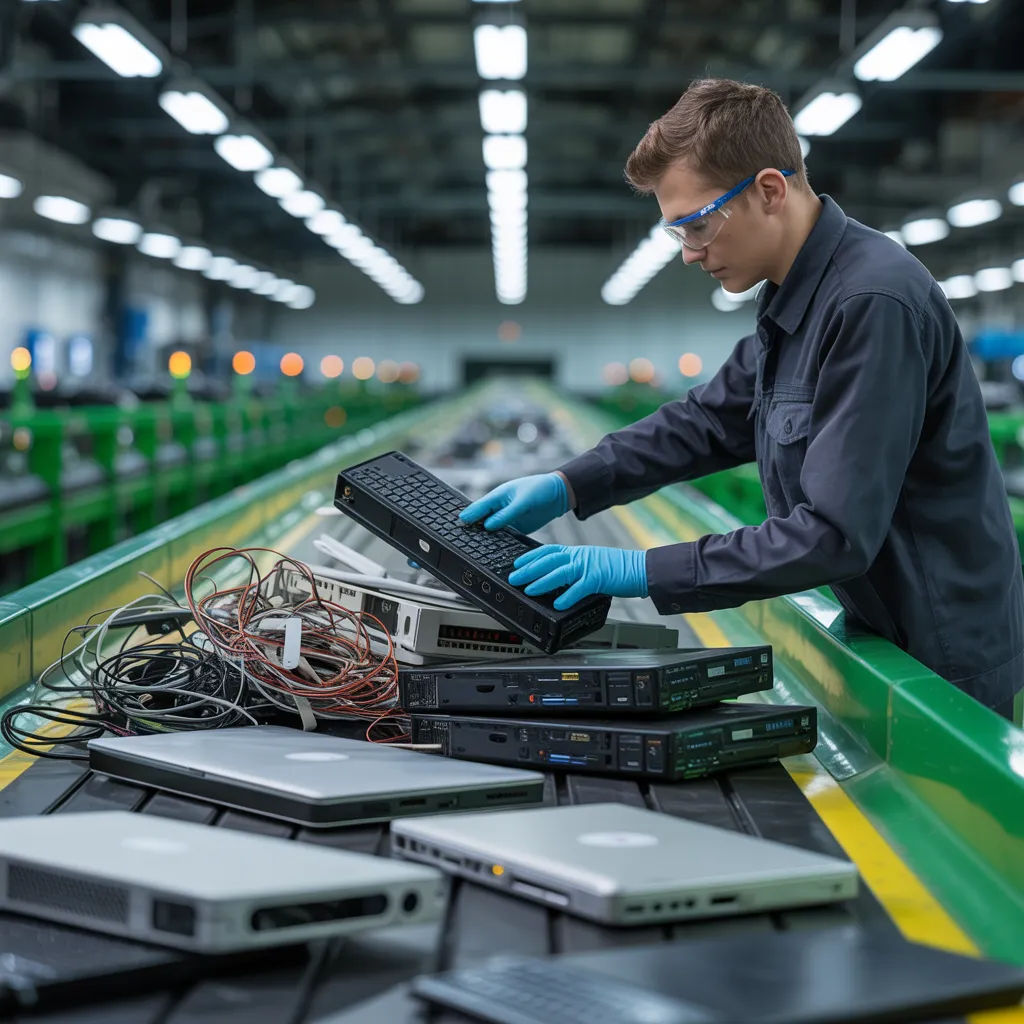
E-waste collection services play a vital role in minimizing the environmental effects of disposed electronics, as they facilitate the responsible disposal and recycling of hazardous materials. These programs help stop dangerous chemicals, such as lead, mercury, and cadmium, from polluting soil and water sources. By systematically gathering and transporting electronic Start here waste, they guarantee that harmful components are handled in accordance with environmental regulations.
Furthermore, e-waste collection programs promote resource recovery by redirecting high-value materials, such as gold, silver, and copper, back into the manufacturing cycle. This decreases the need for virgin raw materials, as a result protecting natural resources and limiting the consumption of energy connected to the mining and processing of materials.
Additionally, these services enhance community awareness about the significance of responsible e-waste management, encouraging individuals and businesses to engage in green practices. Overall, e-waste removal services substantially support a cleaner, healthier environment by resolving the challenges associated with electronic waste.
Advantages of Utilizing E-Waste Pickup Services
E-waste pickup services offer notable benefits for homeowners and organizations alike. These solutions offer flexible collection solutions, simplifying the disposal of old electronics. Moreover, they guarantee sustainable disposal solutions, helping to reduce environmental harm associated with electronic waste.
Practical Collection Alternatives
As individuals and businesses aim to handle the responsible disposal of e-waste, leveraging pickup services delivers an effortless option. These services offer flexible collection options tailored to different schedules and requirements. Clients can often choose from flexible pickup times, accommodating both residential and commercial locations. This eliminates the need for transporting bulky items to recycling centers, saving valuable time and effort. Additionally, many e-waste pickup providers offer same-day or scheduled appointments, enhancing accessibility. By streamlining the collection process, these services encourage more people to recycle their electronic devices, ultimately reducing the environmental impact of e-waste. The ease of scheduling and collection promotes responsible disposal, making it a practical choice for those looking to contribute to a greener future.
Environmentally Conscious Disposal Techniques
Using electronic waste collection services ensures that electronic devices are managed with environmental responsibility. Such services are experts in managing various types of electronic waste, making certain that toxic materials, such as lead and mercury are kept out of landfills. By employing certified recyclers, e-waste pickup services contribute to resource conservation via the reclamation of valuable materials, minimizing the requirement for new raw materials. Furthermore, these providers regularly follow regional and global regulations, promoting sustainable practices. Companies and individuals benefit from the convenience of scheduled pickups, alleviating the burden of transporting bulky items. At the core of it all, choosing green disposal options through e-waste pickup providers fosters a culture of sustainability, encouraging responsible consumer behavior and reducing environmental impact.
What to Expect for E-Waste Pickup?
What does an e-waste pickup typically involve? People can anticipate a well-organized process aimed at promoting responsible disposal of electronic waste. At the outset, a scheduled pickup time will be established, making it simple to plan accordingly. On the day of the pickup, an experienced crew will arrive fully prepared to handle different kinds of electronic items, making sure they are safely transported with minimal disruption.
Clients need to prepare their e-waste by categorizing the items to be picked up, as this helps streamline the pickup process. The collection crew may provide guidance on what materials qualify and what do not. Precautionary protocols are frequently implemented, including protective gear and proper handling techniques for hazardous materials.
Additionally, transparency is essential; customers may receive a written confirmation of the collected items, strengthening the focus on proper disposal. All in all, the e-waste pickup service seeks to streamline the overall recycling process while supporting sustainable practices.
Key Criteria for Selecting an E-Waste Pickup Service
How does one ensure they are choosing the most suitable e-waste pickup service? Picking a suitable service necessitates a thoughtful review of several essential elements. Initially, one must ensure the service holds the necessary certifications and meets local and national environmental requirements. This guarantees that e-waste is handled responsibly and legally. Furthermore, examining the organization's reputation via customer reviews and endorsements can shed light on their trustworthiness and professional standards.
In addition, evaluating the range of services offered can be beneficial; a thorough service may include data destruction, recycling, and refurbishment options. Moreover, clarity in pricing is essential; clear, upfront costs help avoid unexpected fees. Finally, assess the provider's attentiveness and customer care, as open communication promotes a more efficient pickup encounter. By emphasizing these considerations, companies and people can assuredly identify an e-waste pickup provider that supports their sustainability aims.
Scheduling Your E-Waste Pickup?
What is the optimal time to arrange an e-waste pickup? The timing of your pickup can significantly affect the efficiency of the recycling process. The ideal approach is for individuals to arrange pickups on weekdays, as service providers typically have more open slots during these days. Opting for early morning or late afternoon appointments can be advantageous, as traffic is usually lighter during these windows, resulting in more efficient service.
Furthermore, planning ahead is essential. Individuals should try to arrange pickups several days beforehand, especially during peak seasons or community recycling events. This confirms that the preferred service can address individual needs and expectations.
Moreover, matching the retrieval with routine home tasks or organization activities can optimize the workflow. By coordinating the e-waste retrieval with personal schedules, households can render the recycling initiative more effective and manageable. Ultimately, careful planning fosters a more seamless electronics recycling endeavor, nurturing a dedication to sustainable environmental practices.
Where Is E-Waste Recycling Headed?
As the e-waste crisis continues to grow, future technologies in recycling are poised to transform the industry. Projected legislative updates are likely to bolster recycling programs, while innovative collection methods promise to make e-waste disposal more accessible. Collectively, these changes stand to considerably enhance the productivity and success of e-waste recycling efforts.
Advanced Technologies in Recycling
Innovations in technological development are set to reshape e-waste recycling, enhancing sustainability and efficiency. Sophisticated robotic systems and automated sorting technologies are increasingly being integrated into recycling facilities, allowing for the precise separation of recoverable resources from electronic waste. Machine learning and artificial intelligence plays a critical role in streamlining these operations, supporting real-time decision-making and elevating recovery rates. Additionally, emerging methods such as biotechnological methods and hydrometallurgy promise to isolate rare metals with minimal environmental impact. Distributed copyright technology is also being explored for monitoring electronic waste across the recycling process, guaranteeing traceability and responsibility. As these developments progress, they will considerably lower the carbon footprint of e-waste disposal, creating a foundation for a greener tomorrow in electronic recycling.
Policy Changes Ahead
Legislators are gearing up to implement major regulatory reforms designed to improve electronic waste recycling efforts. These measures seek to tackle the escalating issues associated with electronic waste disposal and its ecological consequences. Recommended policies feature stricter guidelines for manufacturers related to overseeing product end-of-life processes, pushing them to prioritize recyclability in design. Additionally, incentives for consumers to hand in outdated electronic products are actively being explored, encouraging environmentally mindful practices. Governments may also increase funding for electronic waste management efforts, aiming to expand access and efficiency in e-waste collection. Through encouraging openness and responsibility throughout the recycling workflow, officials seek to lower the volume of waste sent to landfills and strengthen the retrieval of valuable resources, thus establishing a more environmentally responsible framework for managing e-waste going forward.
Innovative Collection Methods
Revolutionizing electronic waste collection approaches is essential for improving recycling effectiveness and reach. Cutting-edge advancements, such as digital platforms, support convenient retrieval services, allowing consumers to schedule convenient collection times. Furthermore, alliances with local enterprises and neighborhood centers create designated drop-off points, increasing the convenience of recycling. Advanced bins equipped with sensors can assess storage capacity, guaranteeing prompt pickups and minimizing operational hurdles. Additionally, reward-based approaches motivate engagement by rewarding individuals or communities for their recycling efforts. Such innovations not only streamline the collection process but also promote understanding of proper electronic waste management. As such progressive approaches become widespread, they offer a greener path forward for electronic waste recycling, and ultimately supporting a more sustainable world.
Questions We Often Receive
Which Types of Electronic Waste Are Accepted for Pickup?
E-waste removal services typically accept devices such as outdated computers, TVs, smartphones, tablets, printers, and assorted electronic accessories. These programs work to responsibly recycle and dispose of electronic devices in a sustainable and responsible way.
What Fees Are Associated With E-Waste Pickup Services?
Costs for e-waste pickup programs are subject to change according to geographic region and the kind of electronic devices being collected. A number of companies may provide free pickups, while others may apply charges based on the volume or specific items.
How Is Data Security Protected During E-Waste Disposal?
Data safety during electronic waste disposal is secured through processes like data wiping, physical destruction of storage devices, and certification from reputable recyclers, securing critical information and deterring unauthorized access to individual and organizational data.
Can Companies Also Take Advantage of E-Waste Pickup Services?
Indeed, organizations are able to utilize e-waste removal services. Such services are tailored to meet the needs of organizations, ensuring efficient disposal and recycling of electronic waste while promoting environmental responsibility and compliance with regulations regarding safe e-waste management practices.
What Occurs with E-Waste Once It Has Been Collected?
After e-waste is picked up, it is carefully sorted to identify recyclable materials, followed by dismantling and refinement. Hazardous components are safely disposed of, while recyclable metals and plastics are reclaimed and repurposed, supporting sustainable resource management initiatives.